If you have recently travelled to China, Japan, South Korea, the US or the UK, you may have been stunned by a 3D Digital Billboard. Let’s explore these new types of digital screens and how they work.
What are 3D Digital Billboards?
In today’s world of advertising, creating a captivating and engaging experience is crucial. This is where 3D Digital Billboards come into play. These larger-than-life outdoor displays use depth and dimension to bring content to life, thereby creating a convincing illusion of depth. The “forced perspective” technique used in these billboards draws viewers in, making objects appear to jump out of the screen and prompting engagement with the brands.
But how do they work exactly?
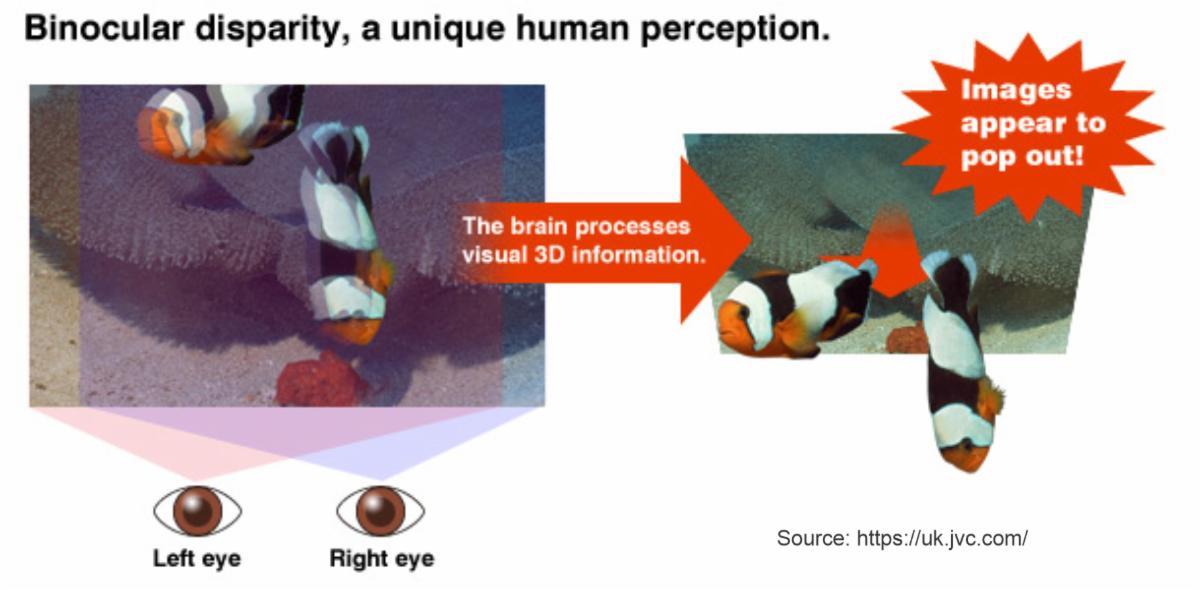
The 3D effect that these billboards create is based on human biology. Our eyes are positioned a certain distance apart on the face, which enables them to perceive slightly different angles of the same image. This variance is known as binocular disparity, and it occurs due to the horizontal displacement of corresponding points in the images seen by each eye. The brain then processes this binocular disparity, allowing us to perceive depth and immerse ourselves in a three-dimensional experience. The 3D effect only works as long as you have both eyes open. As soon as you close one eye, the effect is gone and the image appears flat.